
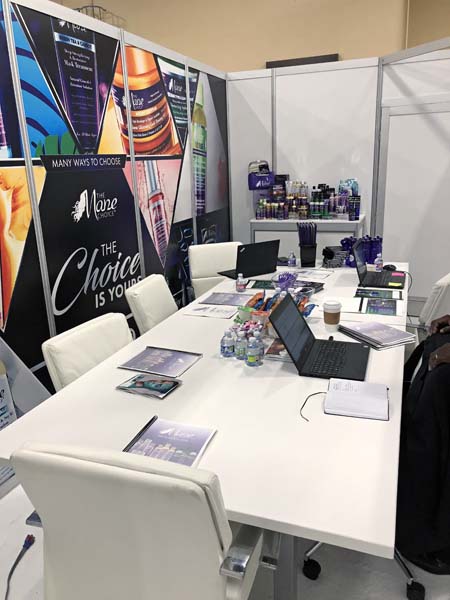
 Conference rooms have changed significantly in the last few years, and by 2026, expectations are higher than ever. Today’s meeting spaces need to support hybrid teams, seamless technology, and a professional experience that works just as well for remote attendees as it does for those in the room. For IT managers and office designers, that means planning ahead and making smart choices about the technology built into each space, whether it is a permanent office conference room or a modular meeting room used at events and trade shows.
Use this checklist to make sure your conference room is ready for modern meetings and whatever comes next.
Reliable Audio-Visual Systems
At the core of every effective conference room is a dependable AV setup. High-resolution displays or large LED screens should be easy to see from anywhere in the room. Wireless screen sharing is no longer optional. Teams expect to connect laptops and devices instantly without fumbling with cables.
Cameras are just as important, especially in modular or portable conference rooms where space and placement matter. A wide-angle camera with auto tracking helps remote participants feel included rather than forgotten. Pairing that with a simple control system makes it easier for anyone to start a meeting without calling IT for help.
Clear and Balanced Audio
Poor audio can derail a meeting faster than almost anything else. Built-in microphones should capture voices evenly throughout the room, not just at the head of the table. Ceiling or table microphones with noise reduction help eliminate distractions like HVAC systems or hallway noise.
Speakers should be placed so sound is clear and natural without echoes or feedback. This is especially important for hybrid meetings where remote participants rely entirely on audio to stay engaged.
Smart Lighting Control
Lighting plays a bigger role than many people realize. Overhead lights that are too harsh or uneven can make video meetings uncomfortable and unprofessional. Dimmable lighting and zoned controls allow you to adjust brightness based on the type of meeting or time of day.
In modular conference rooms, well-planned lighting also improves how people appear on camera. Balanced lighting reduces shadows and glare, helping presentations and video calls look polished and intentional.
Soundproofing and Acoustic Design
As offices become more open and collaborative, sound control inside conference rooms matters more than ever. Soundproof walls, acoustic panels, and properly sealed doors help keep conversations private and reduce outside noise.
This is especially important for portable meeting rooms on busy show floors. Good acoustics improve audio quality for both in-room and remote attendees, creating calmer and more productive meetings.
Hybrid Meeting Support
Hybrid meetings are now standard, not an exception. Conference rooms should seamlessly support video platforms and offer flexible layouts that accommodate different group sizes. Power outlets and charging stations should be easily accessible so no one is scrambling for a battery.
Touchless controls and simple user interfaces also help reduce friction, making it easier for teams to focus on the conversation instead of the technology.
Planning for the Future
The best conference rooms are designed with flexibility in mind. Modular layouts, scalable AV systems, and adaptable furniture allow spaces to evolve as technology and team needs change, without requiring a full redesign.
At All Pro Displays and Graphics, we help businesses design modular conference rooms and meeting spaces that balance technology, comfort, and functionality. From integrated AV solutions to fully built-out meeting spaces, our team works with IT managers and office designers to create rooms that are ready for modern collaboration. Visit us online to explore conference room solutions that support today’s meetings and tomorrow’s growth.